





Sunscreen Serum vs. Traditional Sunblock: Which One Should You Use?
For sun protection, there is now more choice than ever from easily absorbed serum formulas to the classic cream-based sunblocks that we've all come to know and love. Finding the best sunblock for your skin is the ultimate goal. While both protect against UV rays, the way they function is different, and depending on your skin type, preference, and application time, one may work better for you.
However, before deciding, you should know how each behaves because some of you will need sunscreen for a particular purpose, such as layering sunscreen on makeup or sunscreen for oily skin, etc.

What Is a Sunscreen Serum?
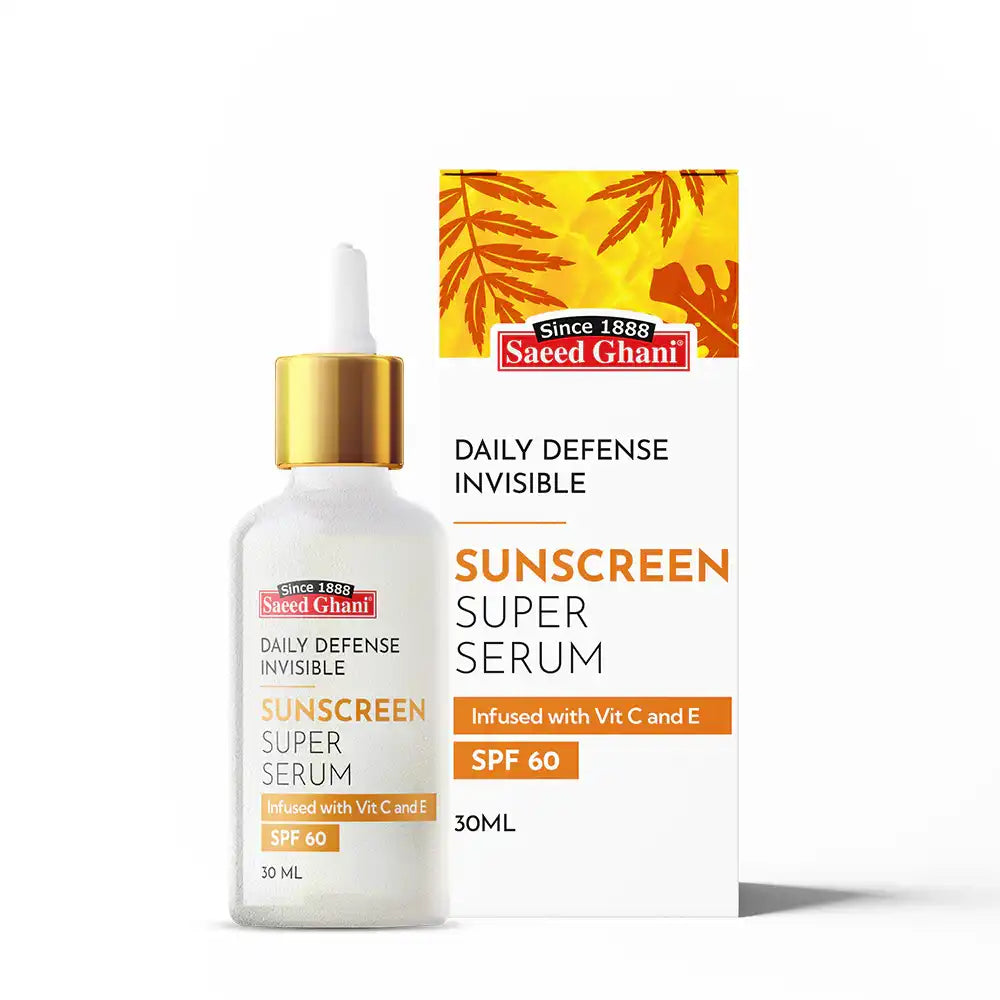
A sunscreen serum is a lightweight fluid formula designed to feel more like skincare than sunscreen. It soaks in fast, plays well with makeup, and usually contains extra perks (like antioxidants or brighteners). And this is why an SPF super serum by Saeed Ghani has quickly become a go-to among users who like minimal, non-greasy products.
Folks who desire sun protection without the weight will love SPF serums. If you're more into a dewy look, which is light and glowing in the evenings, a serum may feel much better than a cream. It also helps give a natural brightness, and you get that little glow you have from glow sunscreen items.
When Should You Use a Sunscreen Serum?
Sunscreen serum is suitable for a lightweight and breathable texture. It just gets absorbed into the skin completely, so it is ideal as a sunscreen for oily skin. Because serums do not clog pores, there is less chance of breakouts from heavy sunblocks that usually accompany sun exposure.
Serums are also great because they never pill, cake, or feel sticky, which makes them a favorite of people who wear makeup daily, too. Our sunscreen super serum has vitamin C and E, which make it an addition to your moisturizing regimen.
Traditional Sunblock
Regular sunblock is the creamier version; it can be both a physical and a chemical sunblock. The physical version is also called mineral sunscreen. The mineral sunscreens are a little heavier, but they promise more protection for when you are going to spend more time exposed to sunlight. Chemical sunscreens are a more advanced formula that protects your skin without being heavy or leaving a white cast.
Traditional sunblocks are heavier, but are considered the best sunblock for someone who stays in the sun for long hours. They're applied more liberally, causing reduced sunburns and tans in more extreme UV conditions.
Who Should Use Traditional Sunblock?
Cream-based sunblocks are best for dry or very sensitive skin types. These rich formulas seal in hydration and form a protective layer on the skin. If you have sensitive skin, choose a sunscreen for sensitive skin, or a formula that is safe to serve as a face sunscreen for oily skin, and will not cause any irritation.
Long sun exposure needs traditional sunscreens. In situations like hitting the beach, going on a hike, or just a muscle-oriented activity, you'll want to stick to your old school sunblock since it lasts longer and offers more broad-spectrum protection.
Which Sunscreen Is Best for Oily Skin?
Now, as you might have guessed, a sunscreen serum is obviously the best choice between the two if you're looking for a sunscreen for oily skin. Its light texture and quick absorption keep shine at bay throughout the day. It also steers clear of that heavy, pore-clogging feel that some cream-based sunscreens can make.
But if you do have acne-prone skin and require more serious defense, the best sunscreen for oily skin might sometimes be a hybrid formula. Our sunblock formulas provide more lightweight coverage but with SPF powers. The hybrid formulas with integrated vitamin C also lower the risks of comedones.
What About Dry Skin Types?
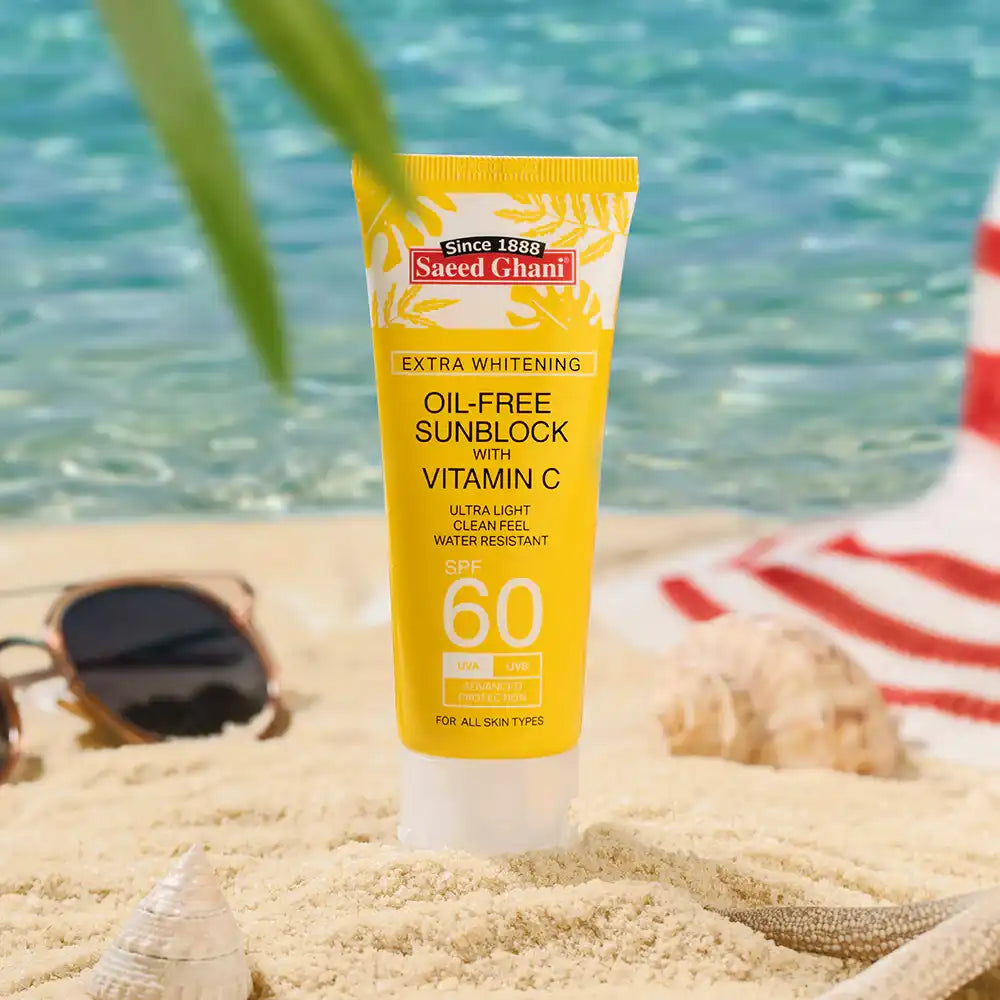
Traditional sunblock wins for dry or dehydrated skin. The texture and hydration of Saeed Ghani's vitamin C sunblock have a good soft texture and comfort the dry skin. This sunscreen for the face adds an extra layer of moisture over your moisturizer.
If you experience flakiness or irritation, a dry skin sunscreen can keep your skin from getting tight or patchy during the day. Look for More moisture; holding ingredients, such as ceramides, hyaluronic acid, and glycerin, can be included.
Sunscreen for Sensitive Skin
Sensitive skin needs the softest formulas that do not burn or make your skin red. The point is that both serums and sunblocks can do the job as long as they do not contain harsh chemicals. Sensitive-skin sunscreens usually contain calming mineral filters.
Go for a mild sunscreen for the face that is specially made for the skin that is prone to irritation, if you want something that will work for all skin types. The best sunscreen for sensitive skin is generally mineral sunscreen, as the calm, steady protection they provide typically does not irritate the skin. The oil-free sunscreen with vitamin C by Saeed Ghani is best for sensitive skin for everyday use.
Check out The Daily Routine Your Skin Will Thank You For – Saeed Ghani for more detailed guidance on how to use sunblock for each skin type and for men.
Final Choice
There is no one-size-fits-all solution. The perfect glow sunscreen for you will depend on your routine, your skin type, and what you need day-to-day. For something weightless and tint-free, try a sunscreen serum. For more complete protection or additional moisture, you can just use regular sunscreen. Both work, and it just depends on your life and preference.
Shop from Saeed Ghani and find suitable sun care for your skin type now!